Showing posts with label Newt. Show all posts

Friday, 6 April 2018

Spring in the Rice Fields of Japan

The rice fields of Japan are a noticeable hotspot for breeding amphibians in the spring. As the fields are filled will water amphibians start to call. It starts with a few males calling alone in the fields but turns into a deafening chorus within a few days.


 Japanese Treefrogs (Hyla japonica) are quite small frogs only a about 3-4 cm long. They are bright green with brown sides and flecks with gold on the legs and sides. They are very loud and create a deafening chorus in the rice fields.
Japanese tree frog (Hyla japonica)
Japanese tree frogs (Hyla japonica)

Japanese tree frog (Hyla japonica)

Japanese tree frog (Hyla japonica)

Japanese tree frog (Hyla japonica)

Japanese tree frog (Hyla japonica)
Japanese fire belly newt (Cynops pyrrhogaster) are endemic to Japan. Fire-belly Newts are frequently found in the pet trade. They are dark and pebbly on the skin above and speckled red underneath. Although they are quite poisonous to eat they don't appear to have a huge impact when handling.  
Japanese fire belly newt (Cynops pyrrhogaster)

Japanese fire belly newt (Cynops pyrrhogaster)

Japanese fire belly newt (Cynops pyrrhogaster)

Japanese fire belly newt (Cynops pyrrhogaster)

Japanese fire belly newt (Cynops pyrrhogaster)

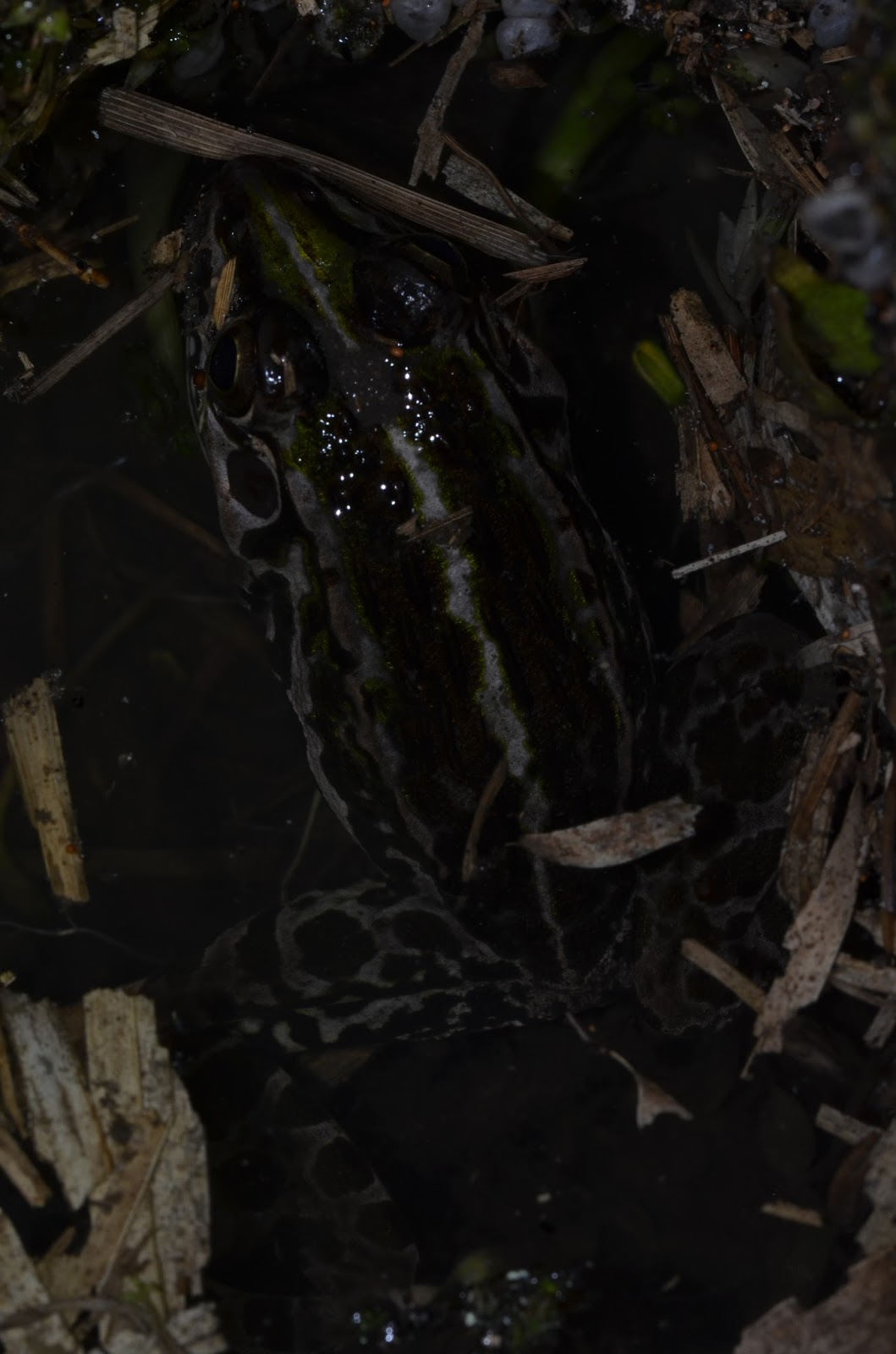
American Bullfrog (Lithobates catesbeianus) is a species not native to Japan and was found along the road on a rainy night. It looks like a typical ranid frog and the colour and pattern is somewhat variable. Tympanum is always as big as the eye or bigger.

American Bullfrog (Lithobates catesbeianus)

Wrinkled Frogs and Paddy Field Frogs were less common in the rice fields but you can find them because the calls will stand out against all of the Japanese Treefrog calls.
Wrinkled Frog  (Glandirana rugosa)
Paddy Field Frog
With all of the amphibians crawling around the ponds there was obviously things around to eat them as well. During the day you could see herons and egrets wading through the shallow waters but in the evening the snakes come out to feast. I saw my first Four-lined Snake heading towards it's nightly meal in the rice fields..
Four-lined Snake (Elaphe quatuorlineata)

Wednesday, 30 November 2016

Georgia

On our way to Florida from Nashville we planned to stay with our friends from the Smoky Mountains National Park. We started having van trouble along the way but she kept chugging along (literally it was like Quicksilver had hiccups) and we were very late (3 hours). The ride towards Atlanta goes right through the mountains and is very scenic but at some points the hills were a bit much for our lovely lady in silver.

Despite our tardiness, even more southern hospitality awaited us. We had a full, wonderful home cooked meal and were able to shower, do laundry and sleep in a real bed for the first time in 12 days. The next day we took Quickie in to the local mechanic and got  the four things that have been breaking down on her 'fixed'.

We passed the time by shooting off some guns in the backyard. It was Brookes first time shooting a gun and at the first shot Beka screamed. Despite being new at it, Beka and Brooke were both great shots.
Target practice in Georgia with some revolvers

I also was able to find a bunch of critters in the back woods including some marble salamanders, newts, lizards and frogs. I wasn't able to find the kingsnake that lives in the shed.
Marble Salamander, Georgia
When we tried to make our way to Florida we made it about 20 minutes down the road before we realized we missed them too much and turned around... Actually we broke down and started stalling but managed to chug a lug our way back.
Fixing up the van
 Todd helped us replace a part on the van that could be causing the trouble and we took out Todd and Elizabeth for dinner at one of their favorite restaurants. The Mexican food was amazing at El Durango and it was incredibly affordable for the portions you get.